 |
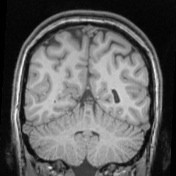
| brains! (Photo credit: cloois) |
More and more research is being conducted on how much our point of view; our minds in its conscience and less than conscience minds affect not only our bodies but our whole universe. Physicists and cosmologists have felt for some time that merely perceiving things brings them into their manifested form. Scientists in their search for understanding how our universe exists in the state that it does have found that the very universe changes based on our perspective. Theories like Einstein's theory of relativity and Schrodinger's and his infamous cat.
Setting the physics aside for a bit, let's consider how different states of emotion can be connected to biophysical outcomes. One good example of this is the fight or flight response. At the moment that the mind detects a crisis situation developing, changes that are subtle and not so subtle begin to happen in the brain. These changes are distributed to both the electrical activity and the neurotransmitters that our brain uses to control the rest of the body. There is an intense increase in the rate that our synapses fire. Both our sympathetic and parasympathetic nervous systems work to increase breathing and heart rate. Our adrenal gland produces both adrenaline and cortisol. Both of these chemicals introduce changes in the body. It also can produce significant damage after prolonged or frequent production in the system. It can affect the condition of the heart, lungs, and as research continues it appears that it affects the immune system. There are some studies that suggest that within seconds of stressful stimulation changes happen in the way our immune system works. This change includes changes in the very cells and structures that our bodies produce. It can affect the ability of the body to heal itself and in other cases can directly start attacking parts of the system.
These changes are also echoed in the digestive system. Some people consider the stomach to be the second brain. This is because of the high concentration of nerves that are located in the area. Sugars (glucose) increase in the blood.
As the body is pushed to the limits, feedback through the erosion of function and messages returning from these systems causes further changes in the brain until it actually alters its own structure physically, electrically, and chemically. If this cycle continues in both intensity and frequency further and further changes (not particularly beneficial) occur the whole system becomes damaged. With enough stress our DNA can begin to change via entheogenic responses.
The basis for these changes in a causal way is controlled by the perception of events as they develop and how we (in our minds) interpret these events. If we see danger we react to that danger, if we experience things that we believe are beneficial our bodies and brains react to that too.
Another good example might lie in diseases such as fibromyalgia and chronic fatigue syndrome. Recent research has indicated that these might ultimately be caused by the hypothalamus becoming exhausted and then sort of going off line. It is similar to when a computer has reached a critical condition and shuts down. It is like the infamous, "blue screen", that so many computer users have experienced.
There seems to be a clear connection between how we see things and how body reacts. We have the ability to do some fantastic things. Our bodies are much more accomplished at producing the chemicals and enzymes that keep us well. In a healthy state our bodies are the best pharmacy. This indicates a strong causal relationship for the belief that our state of mind does change our body. It is mind body medicine in a nutshell. Our minds not only give us the ability to move our toes on command but it can change the automatic responses that our body takes to deal with differently perceived environments.


