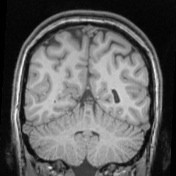
Can our brains change in structure over time? Do our brains re-wire itself based on what we experience? These are interesting questions. Scientists have wondered if our perceptions and experiences have the ability to change the physical makeup of our brains. In 1890,
William James, published an article in
The Principles of Psychology. There is growing evidence that changing your
mind does change your
brain.
In the 1970’s and 80’s, many tests were preformed to determine if changes in perception did have the ability to change the physical structure of the brain. Some of these tests were developed and implemented by
Michael Merzenich,
Jon Kaas, and
Doug Rasmusson. These tests seemed to show that there is a strong reason to believe that your state of mind does change your brain. However, there are some scientists who are not certain that this is the case.
There are two main types of
neuroplasticity. These are generally known as, “positive“ or “negative” plasticity. This means that our mind changes it’s wiring and either grows connections or disposes of connections depending on the circumstances. An example of negative plasticity occurs when pain or trauma changes the amount of neurotransmitters. These chemicals have a big impact on the brain. If the impact of these chemicals are strong enough they will change the structure of the brain. Since 2005 research has continued to show that the the brains ability to change is quite rapid.
Richard Davidson, is a neuroscientist at the
University of Wisconsin. He has led experiments in conjunction with the
Dalai Lama to see if meditation can have an effecton the structure of the neuropathways. The research seems to indicate that meditation does affect both long and short-term restructuring of the brain. This is particularly true in areas that affect emotions such as anxiety, fear, depression, and anger.
|
|
| brains! (Photo credit: cloois) |
From this research it seems to be clear that how you see the world and how you experience the world does have the ability to affect the physical structure of your brain. In this case there is literally a connection between mind over matter. It’s important for us at all times to look at ourselves in the self compassionate and friendly light. Through this compassion and understanding weekend change some of the fundamental connections in our brain to promote our health and well-being. When we seek to change her mind it’s important to remember that we also change your brain. This changes our ability to adapt to the circumstances and experience around us. The ability to change our brains could be a substantial tool in the arsenal for those who have mental illness to find meaningful and lasting recovery.
 Can our brains change in structure over time? Do our brains re-wire itself based on what we experience? These are interesting questions. Scientists have wondered if our perceptions and experiences have the ability to change the physical makeup of our brains. In 1890, William James, published an article in The Principles of Psychology. There is growing evidence that changing your mind does change your brain.