Featured Articles


Mind Over Matter - Can We Heal Ourselves With Our Thoughts?

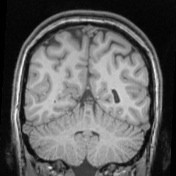
brains!
brains! (Photo credit: cloois)
I once asked a medical doctor, a specialist in his trade, if he believed in a mind body connection. He simply said no. I then asked him a question. If there is no mind body connection how do you wiggle your toes? I am sure he understood what I was asking. Do you believe that person can influence their health based on their state of mind. His training and experience were built upon protocols that examined and managed disease through biochemistry once a condition existed. For him there was no proactive approach. To him the only cause of disease that he could consider was on that basis.
More and more research is being conducted on how much our point of view; our minds in its conscience and less than conscience minds affect not only our bodies but our whole universe. Physicists and cosmologists have felt for some time that merely perceiving things brings them into their manifested form. Scientists in their search for understanding how our universe exists in the state that it does have found that the very universe changes based on our perspective. Theories like Einstein's theory of relativity and Schrodinger's and his infamous cat.
Setting the physics aside for a bit, let's consider how different states of emotion can be connected to biophysical outcomes. One good example of this is the fight or flight response. At the moment that the mind detects a crisis situation developing, changes that are subtle and not so subtle begin to happen in the brain. These changes are distributed to both the electrical activity and the neurotransmitters that our brain uses to control the rest of the body. There is an intense increase in the rate that our synapses fire. Both our sympathetic and parasympathetic nervous systems work to increase breathing and heart rate. Our adrenal gland produces both adrenaline and cortisol. Both of these chemicals introduce changes in the body. It also can produce significant damage after prolonged or frequent production in the system. It can affect the condition of the heart, lungs, and as research continues it appears that it affects the immune system. There are some studies that suggest that within seconds of stressful stimulation changes happen in the way our immune system works. This change includes changes in the very cells and structures that our bodies produce. It can affect the ability of the body to heal itself and in other cases can directly start attacking parts of the system.
These changes are also echoed in the digestive system. Some people consider the stomach to be the second brain. This is because of the high concentration of nerves that are located in the area. Sugars (glucose) increase in the blood.
As the body is pushed to the limits, feedback through the erosion of function and messages returning from these systems causes further changes in the brain until it actually alters its own structure physically, electrically, and chemically. If this cycle continues in both intensity and frequency further and further changes (not particularly beneficial) occur the whole system becomes damaged. With enough stress our DNA can begin to change via entheogenic responses.
The basis for these changes in a causal way is controlled by the perception of events as they develop and how we (in our minds) interpret these events. If we see danger we react to that danger, if we experience things that we believe are beneficial our bodies and brains react to that too.
Another good example might lie in diseases such as fibromyalgia and chronic fatigue syndrome. Recent research has indicated that these might ultimately be caused by the hypothalamus becoming exhausted and then sort of going off line. It is similar to when a computer has reached a critical condition and shuts down. It is like the infamous, "blue screen", that so many computer users have experienced.
There seems to be a clear connection between how we see things and how body reacts. We have the ability to do some fantastic things. Our bodies are much more accomplished at producing the chemicals and enzymes that keep us well. In a healthy state our bodies are the best pharmacy. This indicates a strong causal relationship for the belief that our state of mind does change our body. It is mind body medicine in a nutshell. Our minds not only give us the ability to move our toes on command but it can change the automatic responses that our body takes to deal with differently perceived environments.

The Use of Herbs and Supplements in Mental Illness

Pictures of herb samples from categories of Ch...
Pictures of herb samples from categories of Chinese Herbs Tonifying Herbs: Herbs that Tonify the Yin (Photo credit: Wikipedia)
The use of herbs for the treatment of mental illness is not new. Traditional Chinese Medicine or TCM has had preventive and acute care formulas. Other cultures have similar offerings for treating the mentally ill. Mental illness manifests it disease in the mind, body, and spirit. It is good to look at all of the ways that we can foster our mental health. There are many things that we can do to impact our lives in a holistic manner. All three aspects of ourselves require unique tools for health. Herbs are useful to treat the body and mind over the long term. Many of the best herbal treatments work to prevent the cause of disease. In their whole form most herbs are naturally balanced and have less undesirable side effects.
As with all medicines it is best to check with your doctor to be sure that there are no bad drug reactions. There are clearly times when certain herbs should not be used. For example, 5-Hydroxytryptophan also known as 5-HTP or oxitriptan, is not indicated when a person is taking carbidopa (for the treatment of Parkinson's disease). This supplement is usually derived from the Griffonia_simplicifolia plant. People with depression and binge eating patterns may find some relief from using this. In each case we have to balance the benefit with the risks
If you are considering adding herbs to your treatment regiment it is wise to seek a certified herbalist or perhaps an osteopathic doctor. There several excellent herbal systems for treating mental illness. Traditional Chinese Medicine and Ayurveda from India offer time tested help. The people of Tibethave a wide variety of Tibetan herbs for restoring and preserving health including mental health.
Many of us have now heard about herbs for mental health like St. John's Wort. This herb has been shown in a statistically significant way to impact depression. There are lesser known supplements. Niacin (vitamin B3) may have a fundamental function as a nutrient. Research shows that people with schizophrenia are deficient in niacin. It helps to balance out various neurotransmitters. Another effective tool for relieving the effects of depression and support mood is rhodiola rosea. This herb is thought to effect depression by optimizing serotonin and dopamine levels in the brain. If you are bipolar or have panic or obsessive disorders you may find help in the form of inositol. People who are interested increasing there intake of this can eat more red beans and cantaloupe. There are also commercial preparations that are available. No matter what your mental health issue herbs and supplements are good additions to your health care regimen for body and mind.

Western Vs Alternative & Complimentary Medicine - How to Decide?

The original advisory opinion was requested by...
The original advisory opinion was requested by the World Health Organization in 1993. (Photo credit: Wikipedia)
What is wellness?


According to the World Health Organization wellness, "is a state of complete physical, mental, and social well-being, and not merely the absence of disease or infirmity." This is not a measurement you are likely to nail down in one neat package. So figuring out what systems of medicine to use is a hard choice if you only consider one way of looking at it.
Each System Produces Data
In 2005 there was an article about the correlation between Chiropractic care and the levels of serum thiol. Serum thiol is a tool that is used to measure your body's ability to heal its own DNA. Although this test is not completely inclusive it does give a good estimate of the overall potential for wellness. It does not actually indicate wellness. The research compared the clinical result of the thiol with ratings of wellness as a result of chiropractic care. In general the relationship between high levels of thiol in the serum correlated to high levels of wellness as it was perceived by the patients. What is it that the data really tells us?
While this paper does show a strong connection between these tests it is only anecdotal. This can only show an anecdotal relationship because the data does not really have a one-to-one relationship. The data is not the same type of measurement and therefore cannot speak directly to the relationship between the two. It does show statistically how often levels occur high on both tests. If these levels are both high at the same time we know that they are likely to indicate wellness. This is a lot like testing soil. When the chemistry is right, there is an environment that is conducive to getting healthy plants. It does not guaranty healthy plants however.
A Difference In Perspective
It is hard to find a common perspective for tests measuring clinical levels of a substance to a subjective rating of wellness. It starts to become clear that finding wellness for ourselves is a life-long process of learning. We have to consider our condition and what various systems of medicine provide us to individually address our wellness. We must look at a number of factors which may include trial and error to figure it out. We can compare systems of medicine based on the outcomes in overall wellness. There are challenges to understanding what tools may be best for us.
What makes comparing systems of medicine so hard is often how the systems see things. Some systems of medicine were developed to manage the disease and infirmity in us. In many ways these systems are effective at stabilizing and managing these diseases. Westernized Medicine has been busy over the years developing tools to detect disease. It is not surprising to learn that tests used to detect disease are not particularly effective at testing wellness. The definition of wellness contains not only the lack of disease, but a more completely harmonious state of being. These systems are helpful to alleviate disease in many cases. That certainly contributes to wellness. At lease most of the time.
When A Medicine System Is Not Helpful
There are definite times when these medicines decrease wellness. It would not be helpful to take a medicine that introduced an overall drop in wellness. Sometimes this drop may be due to undesirable side-effects. At other times wellness would not be present without the medicines. We have to understand how to evaluate things based on our needs. There is more than even how our bodies feel to consider.
Social scientists have also looked to apply metrics to wellness with much the same result. In the desire to cure mental disease traditional medical treatment indicated medication to both stabilize and manage the disease. Again this does not measure wellness. It measures how often a person has undesirable mental conditions and what medications are likely to change that state of being. It only addresses chemistry based on diagnosis of disease. Since it only considers one part of a person's illness it can be considered myopic in its approach. It is in many cases an important factor in care but not a complete solution.
A Balanced Approach
The study of peer supported care systems has shown that they support wellness and recovery from mental illness. This data showed that wellness was not limited to any specific facet of their lives. It seems to be better at managing manifestation of disease than medication or therapy alone. Again, for some people medication is an important part of care. So it would be a poor choice to use one and not consider the other.
What systems will you choose?
Comparing Westernized Medicine and Alternative and Complimentary Medicine can be a daunting task. The data that is produced from the process of studying them is different. To understand the dynamics of these choices we may consider things like the serum thiol. We can now collect a list of things that work most of the time. This can give us a great place to start. We must begin use other tools to narrow in on the solution that is right for us. Look for the markers that indicate your wellness and combine those in to what systems of medicine you choose. This will promote your health and well-being. It is at this point that you can decide, Western vs Alternative Medicine.

The Role of Peer Support In Mental Illness Recovery

Rethink Mental Illness
Rethink Mental Illness (Photo credit: Wikipedia)
It is safe to say the dominant concerns of mental health institutions are to stabilize and manage the effects of mental illness. Less attention is brought to bear on actual recovery. There is a growing body of evidence that supports Peer Support Specialists as an effective tool for helping people find recovery. There is enough evidence that Medicare and most Medicaid programs accept billing from certified Peer Support Specialists. There are a growing number of private insurance companies that are accepting billings too. The ones who aren't accepting billings seem to be studying the dynamics of it. It seems foreign to many of us to think of mental health as something that you have a chance of recovery from.
Carl Rogers was a professor and researcher in psychology. He was distinguished enough in his achievements in mental health that the American Psychological Association gave him an award. His research showed that if you build the person behind the disease you heal the whole person. He noted that for this to work you had to have a very open view of someone. Many therapists could not practice at that level so it is not used much. It seems that people who have recovered from a mental illness can adopt this mindset easily. These people can see the person behind the disease. It offers hope when someone truly understands the challenges you face. The Buddhists suggest that we heal with our presence. Where we offer peace, here is peace. Where we offer healing, there healing is also. We do effect the people around us. Peer Support Specialists impact their consumers in a meaningful way.
So what is a Peer Support Specialist? A Peer Support Specialist is a person who has made significant progress in their own recovery. They are people who are generally interested in the wellness of others. These people are dedicated and seek certification by their state to bill and practice as a Peer Support Specialist. Peer Support Specialists have practical experience in building support for lives challenged by mental illness. They have done it themselves and often know the best local resources. They will know where to help you look for help and know how to speak the language of those sources. Many of them have worked with the agencies for their own needs and have built many good contacts.
Peer Support Specialists work at all levels in the system for example, the CMHS National GAINS Center for Systemic Change for Justice-Involved Persons with Mental Illness is highly supportive of what they call Forensic Peer Support. This is peer support for those with mental illness involved in the criminal justice systems. Some Peer Support Specialists work directly for insurance companies. Some county mental health systems are also using Peer Support Specialists to help in times of shrinking resources and it seems to be working. These individuals, working as a part of a team of practitioners are making a big contribution in the lives of others.
If you are looking to become a certified Peer Support Specialist the Depression and Bipolar Support Alliance is a good place to start. They have excellent information listed on their web site. They are also a good resource for information if you are looking to contact peer support too.
If you are recovering and not yet sure that you wish to become a Peer Support Specialist that is okay. When you are ready it is rewarding experience to invest yourself in someone's recovery. To those Peer Support Specialists, agencies, and people effected by mental illness, keep up the good work. It is never to late to begin recovery.

Alternative Medicine In America

Journal of Alternative and Complementary Medicine
Journal of Alternative and Complementary Medicine (Photo credit: Wikipedia)

Americans Use Less Alternative Medicine Than Other Countries


World-wide the amount of people who use some form of complementary and alternative medicine, or CAM, is estimated to be 65% to 80%. This translates roughly into 3 billion individuals who use systems of medicine other than the model we are most familiar with here in the United States. In our country the use of alternative medicine is estimated to be about 36%.  The typical American person will use these therapies in addition to our westernized system of medicine.


To change the balance of how much CAM and regular medicine we have to change certain aspects of both our culture and system of care. In the past our doctors were trained around treating symptoms and disease in a reactionary model. Certain conditions indicated specific intervention. Then our doctors started to focus more preventative care. This was reinforced by research that showed that perhaps we could take a slightly longer view on medical care. At this point there was still a large reliance on intervention with medicines or procedures. 


Western Medicine vs. Alternative Medicine


Logo of the United States National Center for ...
Logo of the United States National Center for Complementary and Alternative Medicine , part of the National Institutes of Health. (Photo credit: Wikipedia)

This system of medicine has made some wonderful strides. During the process it evolved into an 
institution where often the most humble and human qualities were ignored. This is in contrast to many alternative systems of medicine. Much of the philosophy behind these systems strive to seek a balance in all of life. Physical, mental, and spiritual factors must be addressed to have complete wellness in life. 

Alternative Medicine Acceptance Grows

Our growth as a society has begun to really change both individual acceptance of alternative 

medicine and that of the medical community. Approximately one-third of all American schools of medicine offer classes in alternative medicine.  Some of the schools that are included in this list are Harvard, Yale, John’s Hopkins, and Georgetown UniversityThis new found acceptance has spread to encourage some alternative medicine coverage by insurance companies. A recent comment from insurance carrier Mutual of Omaha said that it saves about $6.50 in covering alternative medicine. 

Yellow
Image by Sprengben  via Flickr

While alternative medicine in our society is less prolific than in other parts of the world it is growing. Support for this has come from a new trend being considered by our institutions that are charged with overseeing and paying for medical care. This consideration is called “Evidence Based Medicine”. Simply if the research shows that something works, use it. This is true even if it may not come from your tool chest. With continued research into the efficacy of alternative medicine the percent of Americans that use it will grow quickly.

Belief vs Hope?


Which Is More Important In Mental Illness Recovery?


Journal of Semantics
Journal of Semantics (Photo credit: Wikipedia)

Recently, I’ve been following an interesting battle of semantics. Both were offering words of slight distinction. These terms were presented relative to mental illness. What you see posted below, is what I wrote in response to it. To both parties in the conversation, I give you credit. You have both identified matters of import. This is true even if these matters are wrapped in semantics. This discussion inspired me to write this as an article. These wrappers of linguistics cover an underlying fundamental principle about improving our lives. 

Parental Advisory: Explicit Semantics!
Parental Advisory: Explicit Semantics! (Photo credit: dullhunk)

Does It matter?


It may be just semantics or maybe not. It  does not matter what you call it belief or hope. There is a great barrier of fear in people. This fear is generally of the unknown. While in this state it is very common that people are reactionary and lack clear perspective. They don't realize what they can and cannot control.
They don't realize that the way that they have to look at things from this point forward is going to be entirely different. It can be hard to dismiss your entire ego. This presents a big challenge.

The Buddhists have been trying to tell us this for 2000  years. It is very hard to identify with our core being. Most of us identify with the present experience that we are having. These factors all contribute to limit our ability to make good / rational choices.


It Gets More Complicated


To compound this, people who are suffering from mental illnesses cannot identify with the life that is free from suffering. The suffering that they know is at least familiar and therefore more comforting than the vague promise of equanimity. It can be difficult to sever the attachment that we have to our suffering.
As a person does begin to believe or to become hopeful, they begin to have the ability to recover. In this way they have overcome the first hurdle. This hopefulness / belief may be based on an understanding that they have options. Options offer empowerment.


Belief & Hope!


As I have suggested, fear is the fear of the unknown. Our part of the puzzle is to help people to come to terms with, and understand their predicament. This helps them breed basic human understanding and compassion. This breeds the ability to self-advocate. Now, in this way, I can both believe in and have hope for people, not just the mentally ill.