 |
| Ambassador visits Bar-Ilan University (Photo credit: UK in Israel) |
He mentioned several things that seem to make it a bit impractical for clinical usage at this time. Insurance companies currently will not reimburse for this type of treatment. The cost for an rTMS device is about $70,000. Each application or treatment cycle would cost over $4000 out-of-pocket for the average patient. This makes it impractical as a clinical therapy device. It would seem that with time and further research is conducted, this situation is likely to change. Currently the FDA has only really approved TMS as a less invasive method for mapping sections of the brain.
RTMS has been studied in the treatment of several neurological conditions. Some of these conditions include; Parkinson's disease tinnitus and depression. It also been studied in assisting people alleviate the symptoms of both migraines and cluster headaches. Some of the studies have shown that for the treatment of depressive symptoms, specifically chronic and long-term illness. The protocol for treatment of depression relies on frequent rTMS sessions over a 4 to 6 week period. The initial studies have shown some great promise in helping those with this disease. Approximately 1/3 of the patients saw an improvement in symptoms or practical remission of the disease. This may reduce the reliance on pharmacological solutions.
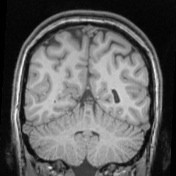
TMS works by subjecting the brain to small dosages of magnetic energy. This has an effect on the electrical functioning of the brain. TMS and rTMS are slightly different in their application. TMS is generally used on an individual basis as a diagnostic tool. RTMS as a treatment system is a bit different. As mentioned before, treatment is given on a frequent basis over 4 to 6 week period. The magnetic stimulation is focused deeper in the brain
 |
| Image via Wikipedia |
. Much more study is required to understand how effective this treatment may be. It is clearly less invasive than other options for treatment such as electroconvulsive therapy or deep brain stimulation. As with any medical intervention there is the potential for some difficulties because of these treatments. For example, a small but statistically significant number of people receiving TMS may experience seizures. TMS can cause some discomfort in the skin or may affect hearing in a negative way due to the clicking sound the treatment makes. It should probably not be used with EEG electrodes because in severe cases it can cause skin burns.
Most of the clinical studies for TMS have been paid for by the developers of the device. It is clear that further research must be done to assess the veracity of the claims made by the device manufacturers. As independent studies are performed in clinical and academic settings a greater quality of evidence as well as a larger sample group will help to suggest the efficacy of these treatments. Some large institutions including the Mayo Clinic do use rTMS as a therapeutic device at this time. It has been adopted by a few specially trained psychiatrists. The Mayo Clinic doctors have been noticing clinical efficacy that is concurrent with the results of other studies. Only time will tell, if transcranial magnetic stimulation will be a cost-effective and functionally effective tool for treatment of various diseases.







 [1968], that emotional maturity requires a mind that does not judge, is self-forgiving and includes a loving acceptance of self. Sometimes this can seem difficult to view ourselves in this light.


